
Real-time transient intelligence
PULSORYX
The universe is exploding right now. We catch it first.
Supernovae. Tidal disruptions. Objects that appear and vanish in hours. Pulsoryx detects, analyzes and prioritizes the rarest events in the cosmos — before anyone else claims them.
Objects monitored
Discovery candidates
Catalogs cross-matched
Space is not static.
It's a river of fleeting events.
Every night the world's most powerful telescopes capture thousands of flashes in the sky — most vanish before anyone notices. A tidal disruption event can peak and start fading within days. A fast nova can be gone from view in hours. Pulsoryx unifies those alert streams, filters the noise with AI, and surfaces what matters while it still matters.
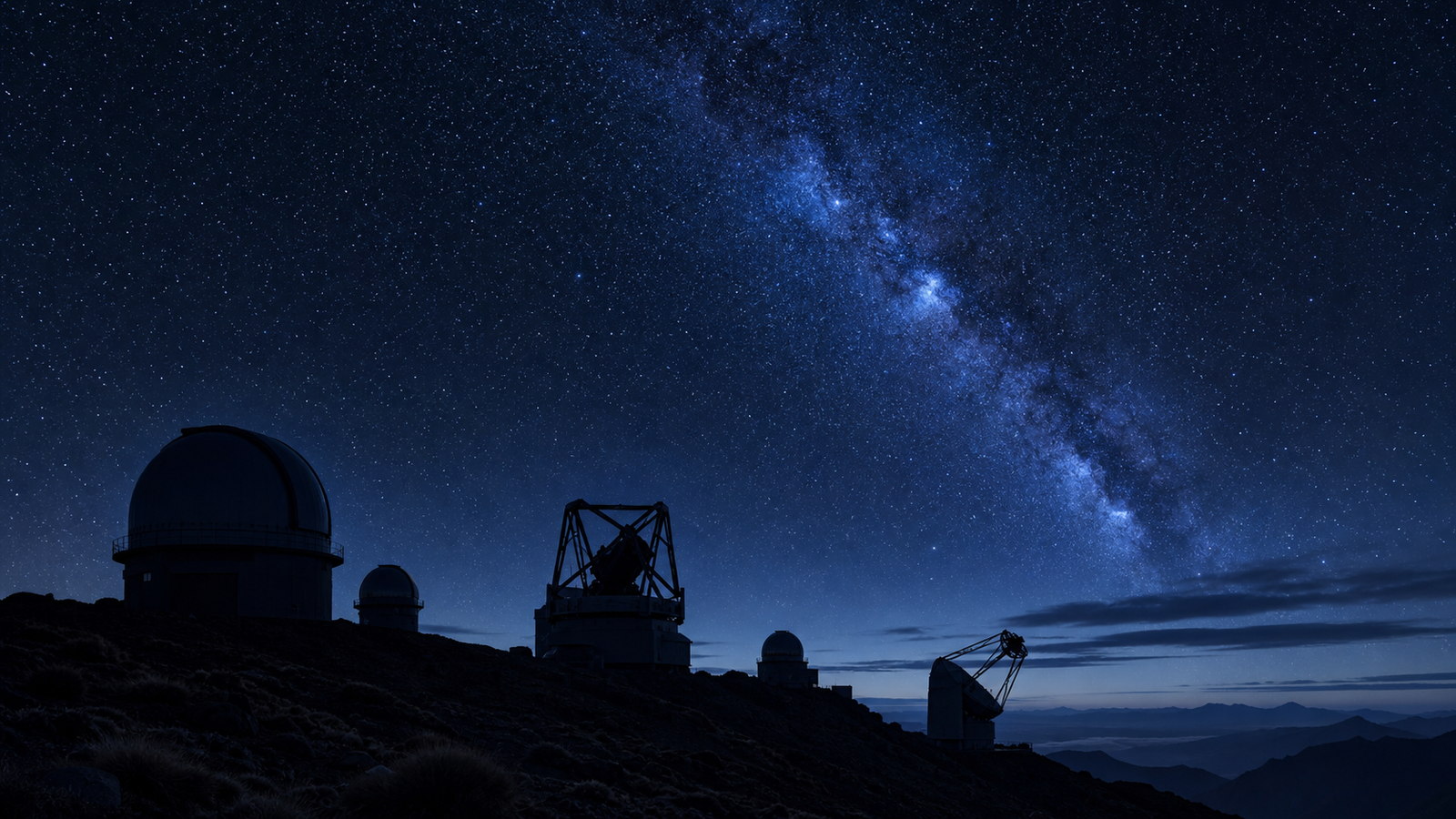
What we're hunting
Anatomy of a fleeting event
Three kinds of cosmic moments Pulsoryx is built to catch — and understand — while they're still happening.
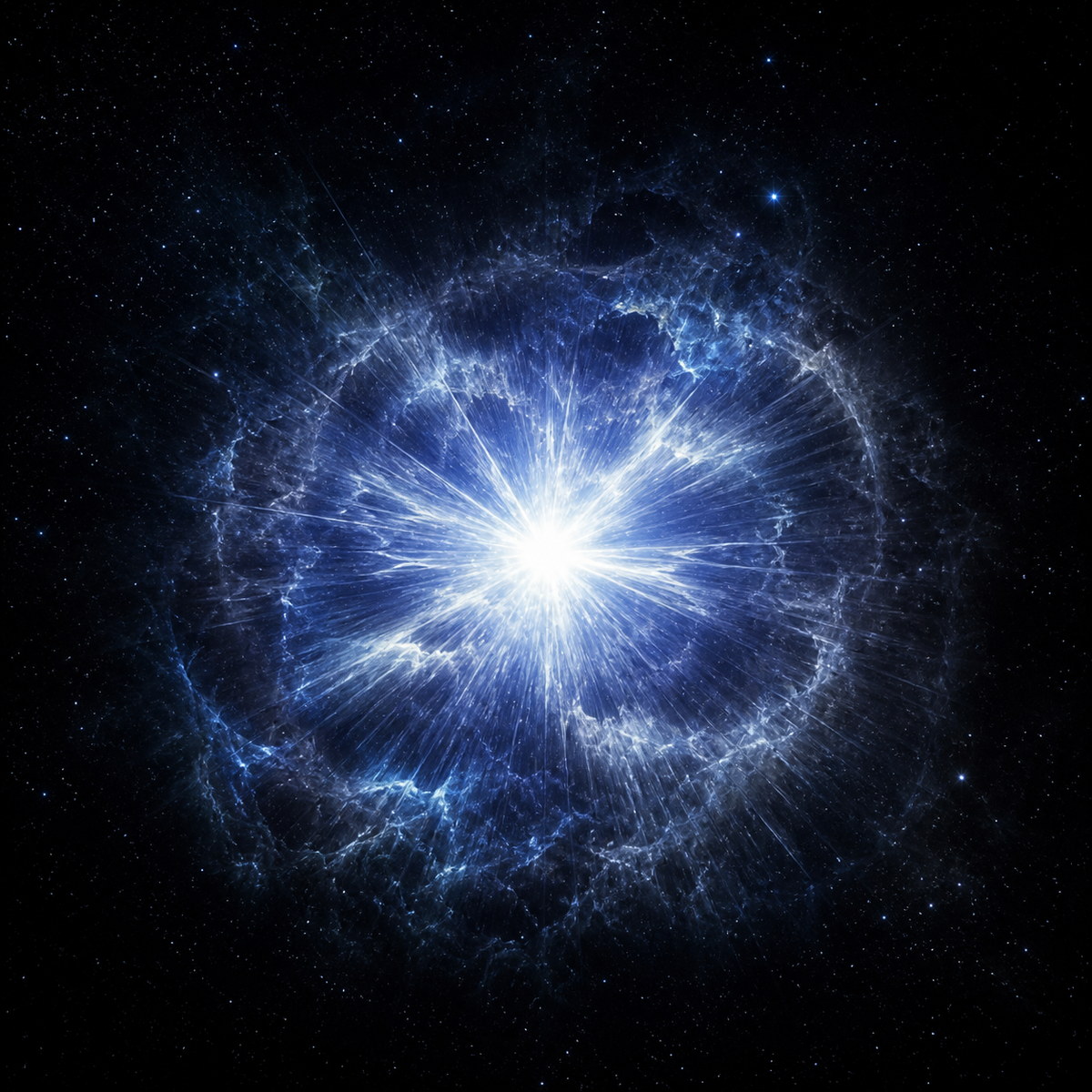 Stellar death
Supernova
A star's final, catastrophic collapse — for a few weeks it can outshine its entire host galaxy of a hundred billion stars. Some types are so consistent they're used as cosmic rulers to measure the expansion of the universe itself.
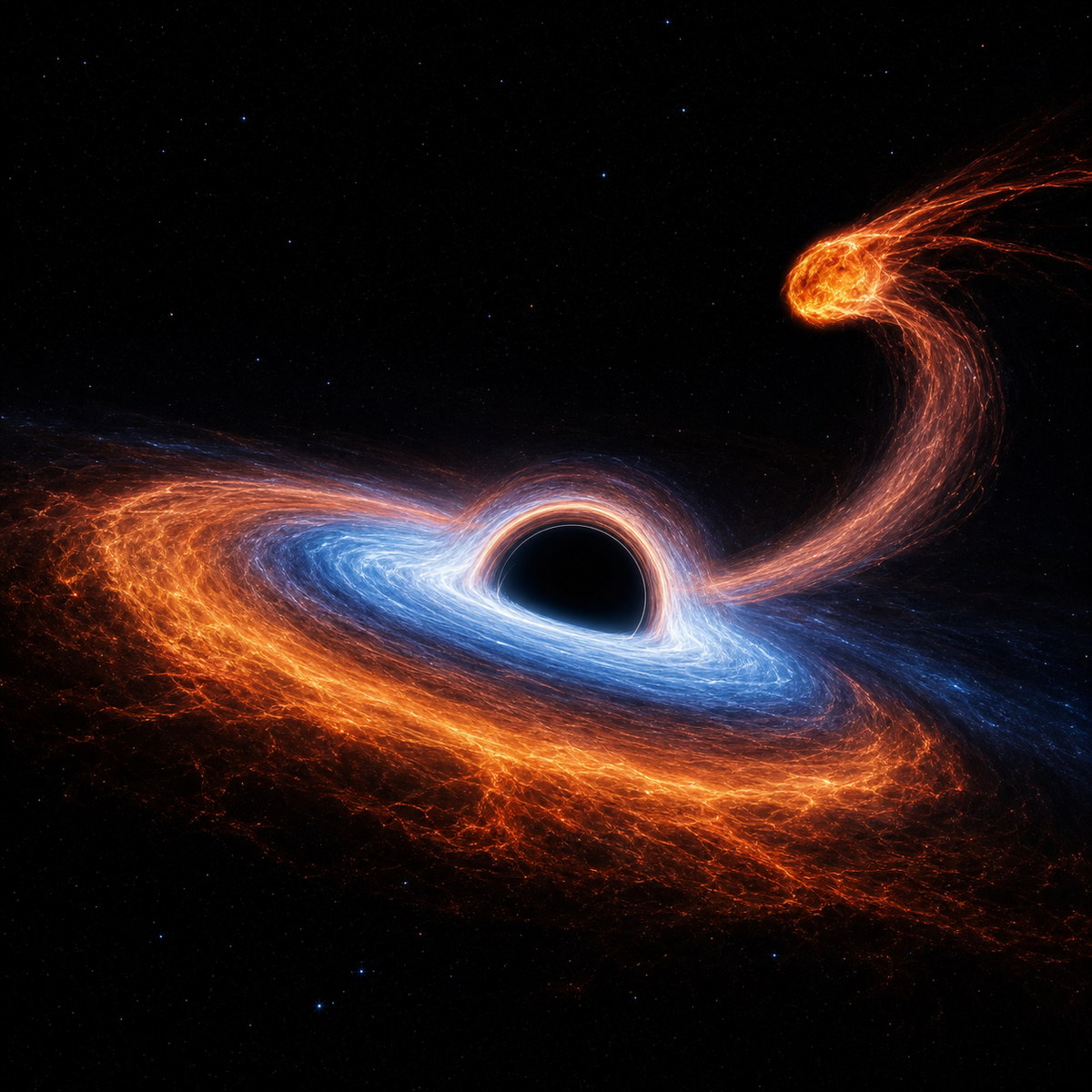 Black hole physics
Tidal Disruption Event
A star wanders too close to a supermassive black hole and is torn apart by gravity, its remains spiraling into a glowing accretion flare. Only a few dozen are confirmed worldwide each year — each one a rare window into extreme gravity.
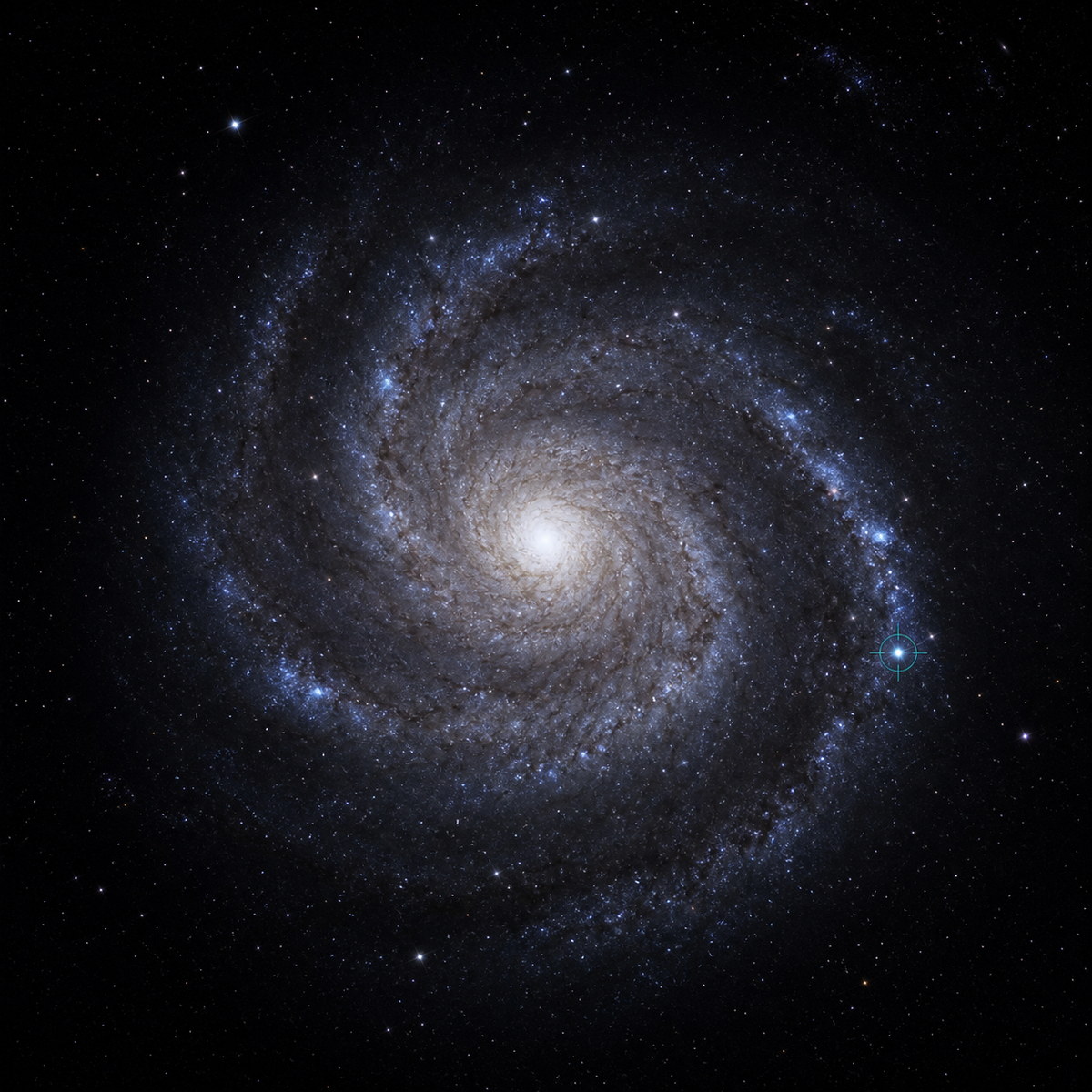 Context
The host galaxy
Every transient lives somewhere. Matching an event to its host — its distance, its type, its history — is what turns a flash of light into a scientific story worth telling.
The pipeline
From chaos to signal
DETECT
Real-time ingestion from ZTF via the ALeRCE alert stream. Thousands of candidates a night, captured within minutes of the moment they flare.
ANALYZE
Five astronomical catalogs cross-matched in under a second — Gaia DR3, SIMBAD, VSX, MPC/SkyBoT, NED. AI that reasons like a senior astronomer, not a chatbot reading a label.
ROUTE
Every object is classified and routed: known variable, galactic star, asteroid, AGN — or a genuine extragalactic discovery candidate worth your night.
Inside the engine
Two tiers. Five catalogs. One verdict.
Tier 1 · ~800ms · blocking
The fast pass
- Gaia DR3 — parallax and proper motion rule out nearby stars instantly.
- SIMBAD — cone-search cross-match against 15M+ cataloged objects.
- VSX — checked against the AAVSO variable star index.
Tier 2 · background · best-effort
The deep pass
- MPC / SkyBoT — solar system check against known asteroids and comets.
- NED — host galaxy identification and extragalactic context.
- Slower, sometimes-unreliable services — run async so they never block your triage.
An AI that has read the file
Every chat is grounded in the object's real data — cross-match results, light curve, priority score — before a single word is generated. Ask it why an object matters and it can actually tell you.
A score you can defend
Rarity, temporal freshness, evolution, discovery potential, observability — five components combine into one 0–100 priority score, so ranking a night's candidates takes seconds, not a spreadsheet.
Built for the hunt
Live sky monitoring
ZTF alerts the moment they land — light curves, magnitudes, real-bogus scores.
AI co-pilot
Chat with an expert about any object. It sees the full data, not just the name.
Catalog cross-match
Gaia parallax, SIMBAD, VSX, NED — automatic. Unmasks false positives in <1s.
Discovery routing
Filters known contaminants so you only see real candidates worth reporting.
Priority scoring
A 0–100 scientific score: rarity, phase, observability — ranked for you.
Report-ready
Coordinates, dates, filters — formatted for TNS, VSX and MPC in one click.
Where this is going
Built for today. Designed for the flood.
This is a living system. Here's what's already running, what's being built next, and the scale it's being built to reach.
- —Real-time ZTF ingestion via the ALeRCE alert stream
- —5-catalog cross-match: Gaia DR3, SIMBAD, VSX, MPC/SkyBoT, NED
- —AI co-pilot with full object context, not just a name
- —0–100 priority scoring and automatic discovery routing
- —TNS pre-check against the public transient archive
- —One-click automated TNS submission via the bot API
- —Instant alerts the moment a candidate crosses your priority threshold
- —WISE infrared and Pan-STARRS forced photometry as new cross-match layers
- —A mobile-friendly companion view for triage on the go
- —Ingesting the Vera C. Rubin Observatory (LSST) alert stream at survey scale
- —A public API for research groups and universities
- —A shared annotation layer — see who's already watching an object
- —Multi-messenger correlation with gravitational-wave and neutrino alerts
Why this matters
Every hour of delay is a discovery someone else claims first.
Large collaborations triage the sky with rooms full of graduate students. Independent astronomers, small institutions and citizen scientists have never had that luxury — until now. Pulsoryx puts the same cross-match rigor and AI reasoning that used to require a team behind a single login, so the size of your budget stops being the limit on what you can discover.
alerts a night — roughly what the Vera C. Rubin Observatory's LSST survey will generate at full operation. No team of humans can read that many alerts by eye. Automated triage isn't a convenience anymore — it's the only way to keep up.
For astronomers
Less time ruling out known variable stars and asteroids, more time on the object that turns out to matter.
For telescope time
Follow-up time is one of the scarcest resources in astronomy. Fewer false positives means more of it spent on real discoveries.
For open science
Professional-grade triage shouldn't require a professional-grade budget. Faster, cheaper confirmation means faster, more open publication of what's real.
The vision
One person, watching the whole sky.
Pulsoryx started as a tool built to solve one problem for one astronomer: too many alerts, too little time to know which ones mattered. It's still built and run by a single founder, nights and weekends, chasing the same events it helps triage.
The ambition is bigger than that. As sky surveys scale from thousands of alerts a night to millions, the systems that make sense of the flood become as essential as the telescopes themselves. The plan is to grow Pulsoryx from a personal instrument into shared infrastructure — through institutional access for observatories and universities, a public API for research groups, and a citizen-science tier that lets anyone with curiosity and a login join the hunt.
Every dollar and every hour that goes into it points at the same goal: shrink the gap between a photon hitting a detector and a human understanding what it means. That gap is where discoveries are lost — and closing it, even a little, is worth the effort.
Look up.
You got here first.
The next discovery is already glowing somewhere. We'll tell you which one.
Enter the Observatory